













China Emerges as Key Backer of Iran as War Drains U.S. Missile Supplies
As the conflict with Iran stretches American military resources, China is increasingly positioning itself as a crucial lifeline for Tehran—raising alarms in Washington about a shifting global balance of power.
According to reporting from The New York Times, U.S. officials believe China has quietly stepped up support for Iran during the war, helping the regime sustain its military capabilities even after weeks of intense strikes. That backing has included assistance tied to missile production and defense systems, allowing Iran to continue posing a threat despite heavy losses on the battlefield.
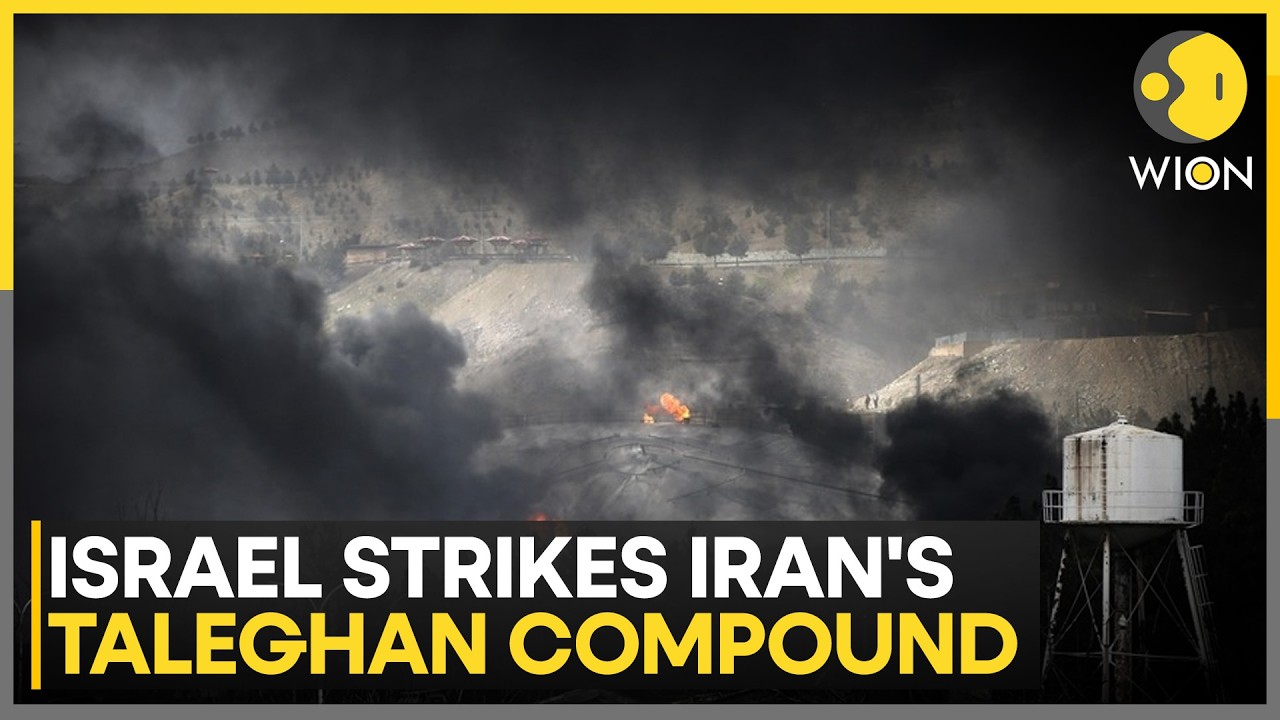
American and allied attacks have significantly degraded Iran’s missile infrastructure, destroying a large portion of its launchers and weapons facilities. However, as the New York Times reports, Tehran has managed to keep its arsenal in play—thanks in part to outside help and its ability to rebuild.
At the same time, the war has exposed a growing vulnerability for the United States: dwindling stockpiles of advanced munitions. The pace of the conflict has forced the Pentagon to burn through large quantities of high-end missiles, raising concerns about readiness for other potential conflicts, particularly in the Indo-Pacific.
The New York Times highlights that this depletion is not just a short-term issue. Military planners are increasingly worried that the U.S. could struggle to sustain prolonged operations if another major conflict were to erupt, especially with a rival like China. That concern has been compounded by the high cost and slow production timelines for many of America’s most advanced weapons systems.
Meanwhile, China’s involvement appears to be carefully calibrated. While Beijing has avoided direct military intervention, it has maintained strong economic and strategic ties with Iran and has provided forms of indirect support that help keep Tehran in the fight. Analysts say this approach allows China to weaken U.S. influence without triggering a broader confrontation.
There are also growing indications that cooperation between the two countries could deepen. Prior reports have suggested Iran is seeking advanced Chinese weaponry, including anti-ship missiles that could threaten U.S. naval forces in critical waterways like the Strait of Hormuz.
The New York Times underscores that the war is becoming more than just a regional conflict—it is evolving into a test of global power dynamics. With U.S. resources stretched thin and China quietly expanding its influence, the outcome could have lasting consequences far beyond the Middle East.
For now, American officials are balancing two urgent priorities: continuing to counter Iran’s military capabilities while also rebuilding depleted stockpiles. But as the conflict drags on, the question looming over Washington is whether it can keep up—especially as Beijing watches closely and moves strategically behind the scenes.