





















By Ariel Fine
(Chabad.org) “Ushering in Shabbat at the Kotel carries me through the week,” says Yaakov Schechter, a longtime Jerusalem resident. “It’s what makes me feel plugged-in to my people, my land and my G‑d.”
For 40 days, he couldn’t perform his regular weekly ritual—praying at the Kotel, otherwise known as the Western Wall. Since the war with Iran began on Feb. 28, restrictions from the IDF Home Front Command had capped entry to the Kotel plaza at 50 worshippers at a time. Then, on Thursday, April 9, after a ceasefire was announced and Iran stopped firing its ballistic missiles toward civilian sites, the restrictions were lifted.
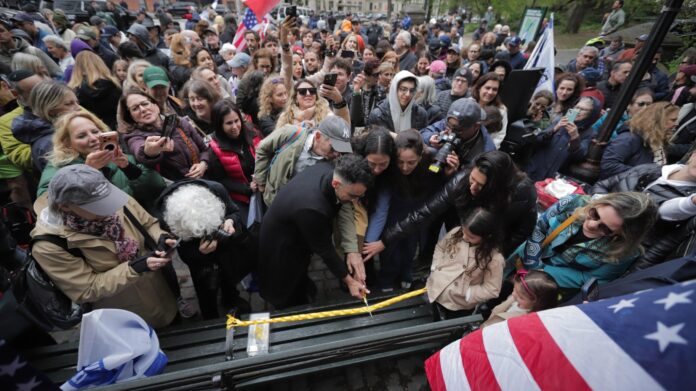
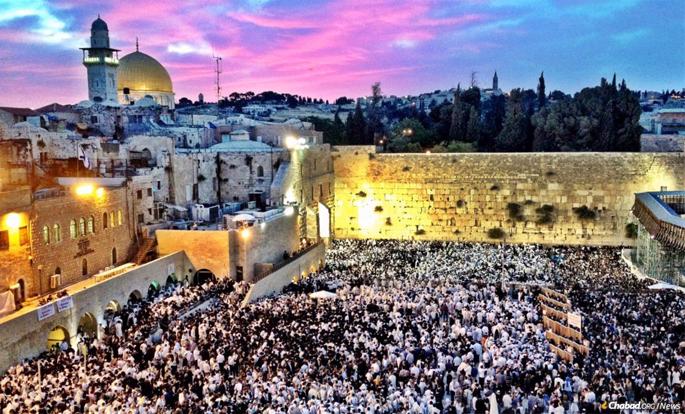
By this Friday evening the plaza was full, the crowd growing as Shabbat descended upon the Holy City.
“I couldn’t not come,” said one woman, her eyes wet from tears even before services had begun. “I didn’t realize how much I needed this, but as soon as I saw the Wall, it hit me.”
The Kotel is a remnant of the outer wall of the Temple Mount, which had been extended by Herod the Great as part of his renovation of the Second Holy Temple.
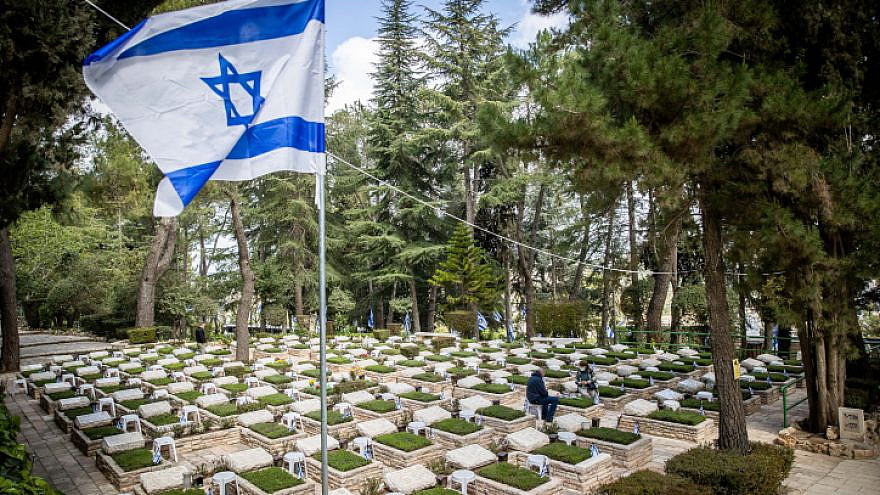
Outside the Kotel plaza, the mood across Israel is one of cautious optimism. It’s been a challenging two months for the country. The joyous holidays of Purim and Passover were interrupted with frequent alerts to rush to the nearest bomb shelter. Twenty Israeli civilians and foreign nationals have been killed as the result of Iranian ballistic missile attacks, while 13 soldiers, including Sgt. Moshe Yitzchak Katz, a member of the Chabad-Lubavitch community of New Haven, Conn., fell battling Hezbollah in Southern Lebanon during the same war.
“Friday night at the Kotel is medicine for our collective Jewish soul,” says Rivky, a Jerusalem resident. “When hundreds of Jews come together, shoulder to shoulder, we sing and lift each other up. We all come to talk to G‑d with a unified voice.”
When the first stanzas of Lecha Dodi began, with hundreds of voices filling the ancient plaza, the 40-day absence made itself heard in every word.
“Sanctuary of the King, royal city, arise, go forth from the ruins,” they sang. “Too long have you dwelt in the vale of tears; He will show you abounding mercy.”